Our care

Care centred on
the person.

We take time to understand each person’s needs, the things they enjoy and the people important to them. That understanding should guide the care they receive.

How we care

Support shaped around each person.

Good care looks at the whole person. We learn about health and practical needs alongside interests, relationships and the choices someone wants to keep making.

Care is planned with the person and those close to them, then reviewed as needs change. We will talk openly about the support the home can provide and who should be kept informed.

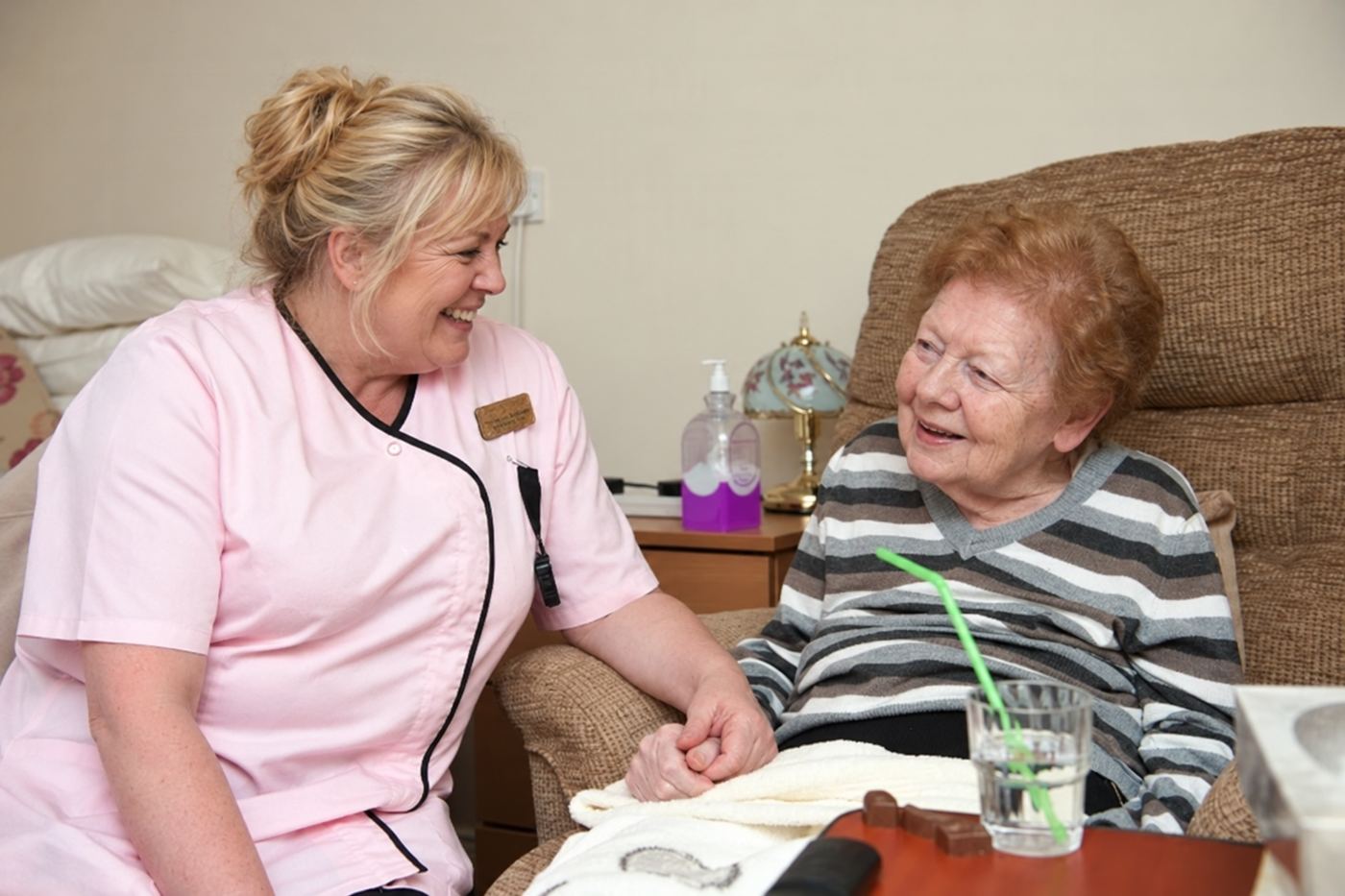
A carer kneeling beside a resident in an armchair, the two of them smiling at each other.
What we offer

The care we provide.

Care may mean a permanent home, a short stay or support on certain days. We can help you understand the options and whether Higher Park Lodge can meet the person’s needs. Call 01752 606066 to talk it through.

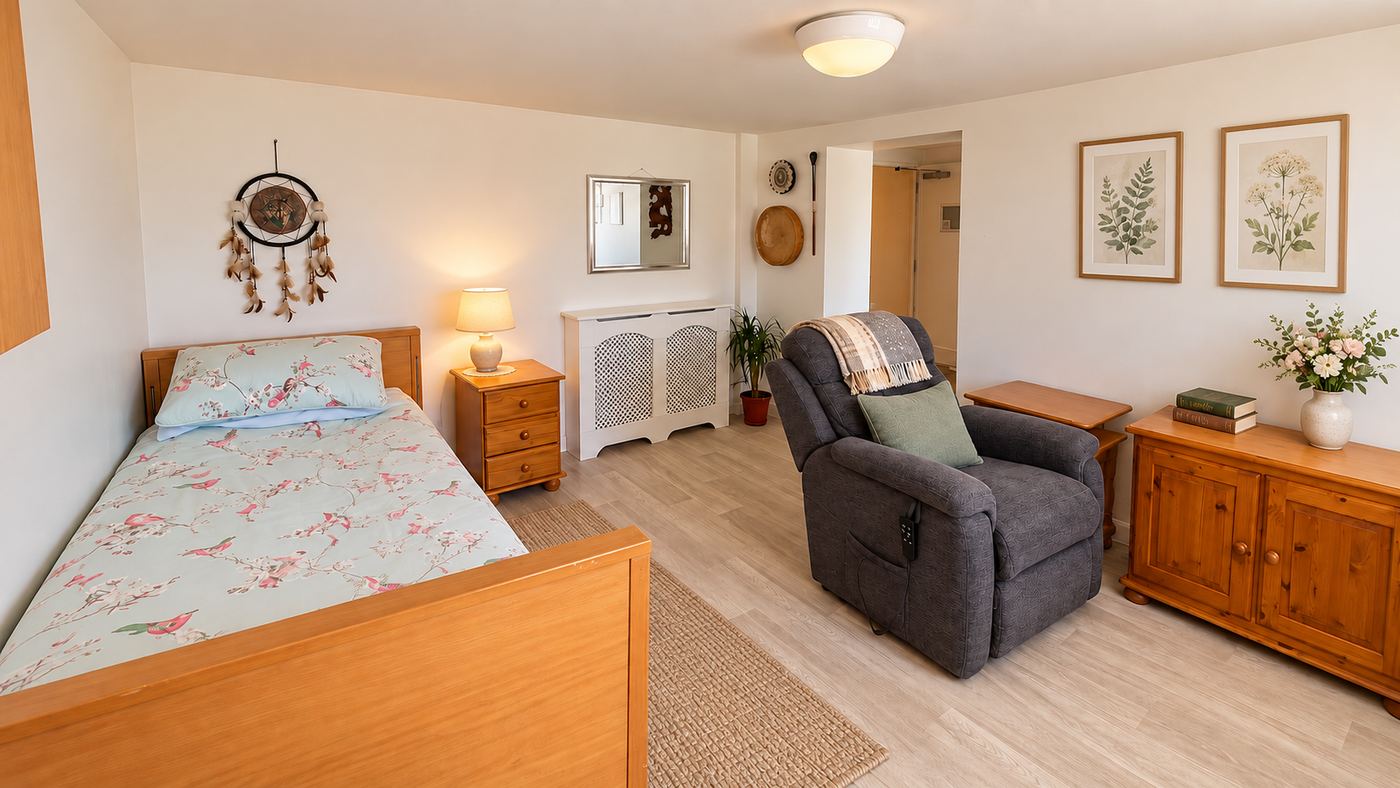
A resident’s room at Higher Park Lodge, with a single bed, a riser recliner chair, wooden furniture and pictures on the walls.

Residential care

Residential care offers help with personal care, meals and medicines, while respecting what someone can and wants to do for themselves.

It can be the right choice when someone needs regular support throughout the day and a place where they can feel part of everyday life.

Long-term stays for older people
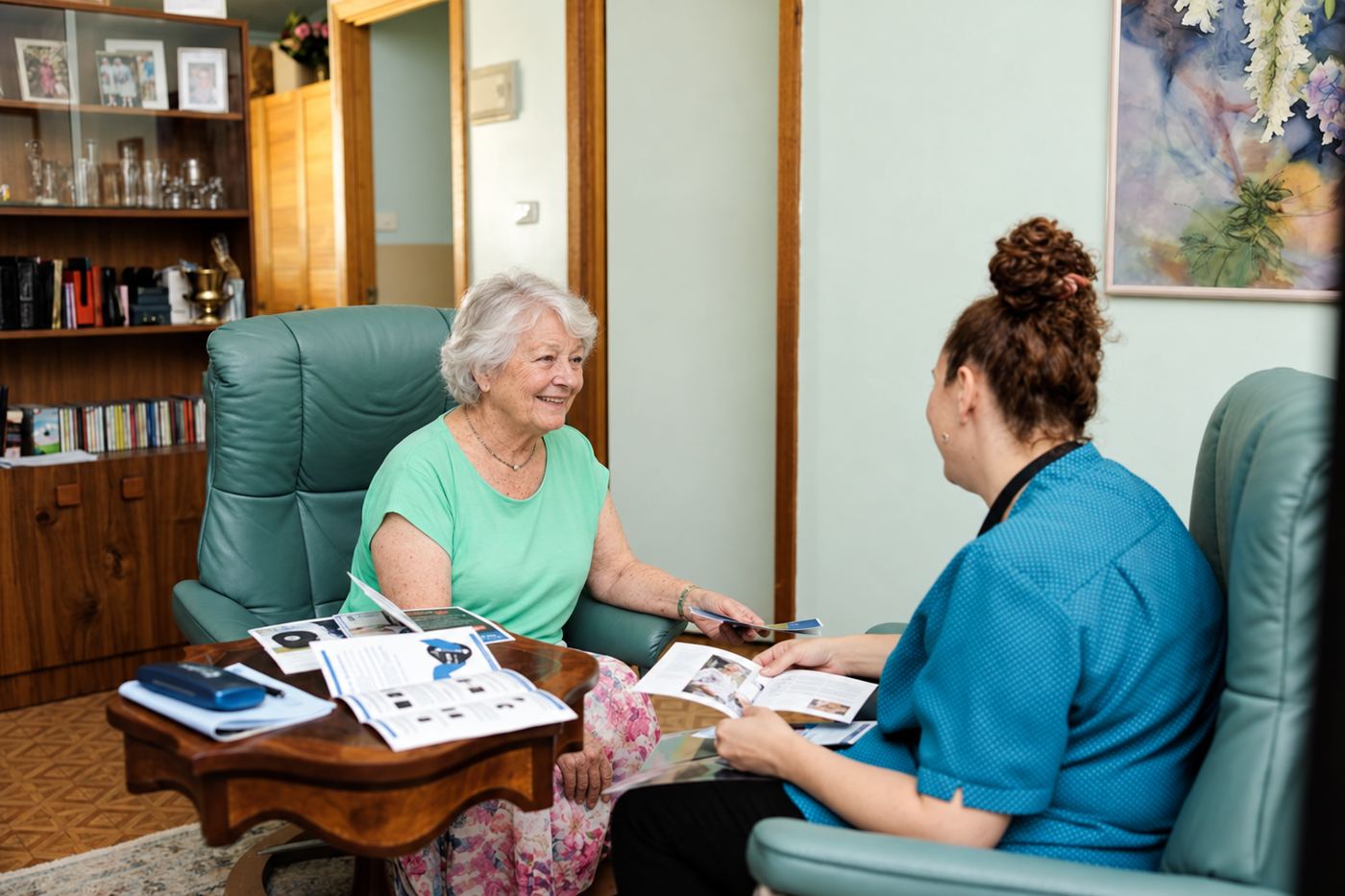
A resident and a carer sitting together in armchairs, looking through books and magazines.

Dementia care

Dementia care begins with the individual: their interests, relationships and ways of expressing themselves. We adapt support as needs change.

The lower-ground-floor memory lounge provides a quieter space and opens directly onto a patio.

How we approach dementia care

Residential dementia care

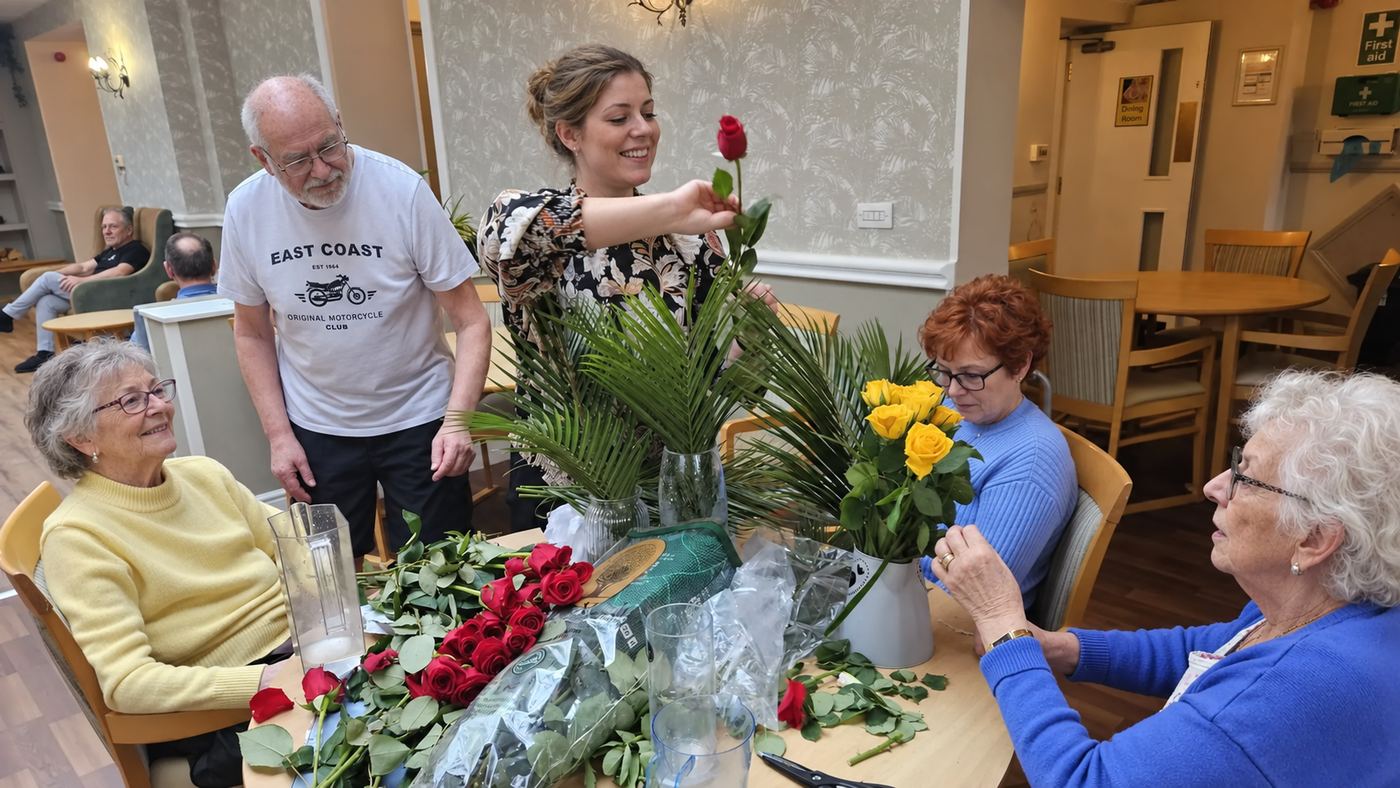
A carer arranging flowers with a group of residents around a table.

Respite & day care

Respite care can provide a planned break for a family carer, a short period of support, or time to recover after hospital. We will discuss the person’s needs before confirming whether the stay is suitable.

Day care is for people who continue to live at home but would benefit from support, company and time in a different setting. It can also give family carers a regular break.

Compare short stays and day care

Short stays and day care, by arrangement

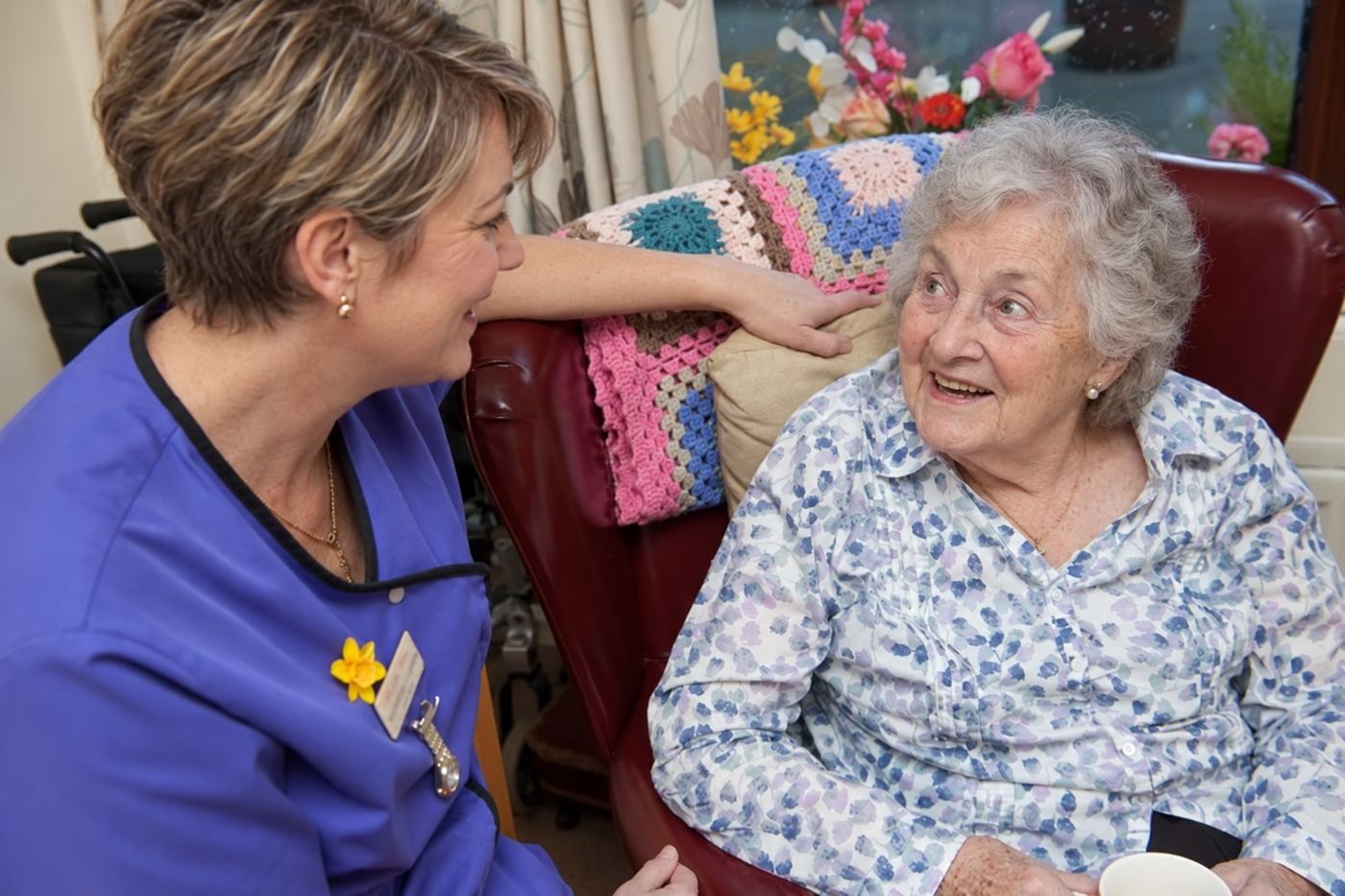
A carer holding a resident’s hand as they talk in her room.

End of life care

At the end of life, care focuses on comfort, dignity and the person’s wishes. We work to support the individual and those close to them through a difficult time.

What end of life care involves here

Palliative and end of life care

Dementia care

Dementia care that respects individuality.

We listen to the person and those who know them well, so care reflects their abilities, relationships and what helps them feel comfortable.

What matters to them

  • Interests and pleasures. Music, conversation, time outdoors or a favourite pastime can still have a place in the day.
  • People close to them. Family and friends know the person beyond any care plan, and their involvement matters.
  • Choice and independence. We support the decisions someone can make and the things they still enjoy doing for themselves.
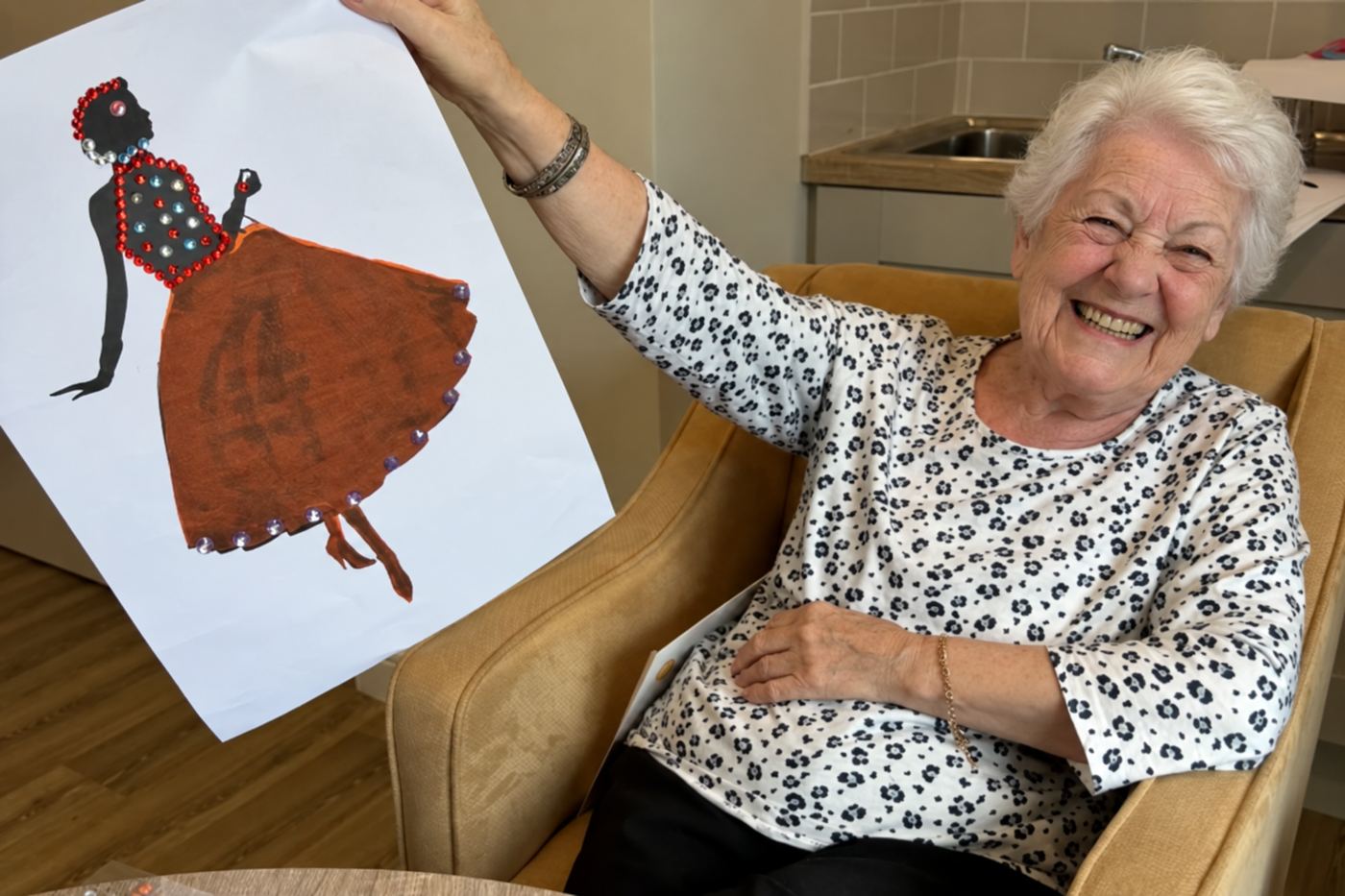
A smiling resident holding up a drawing she has made.

How care responds

  • Communication. We pay attention to how someone expresses themselves and adapt the way we speak and listen.
  • Changing needs. We review support as needs change and discuss what the home can provide.
  • Working with families. We agree how the people close to someone will be kept informed and involved.
… for mum and my siblings, the most important requirement is that she was well cared for, respected and made to feel special.
Amanda BDaughter of Resident · 7 July 2026

Via carehome.co.uk

A day with room for choice.

Meals and care bring some structure to the day. Around them, people can enjoy visitors, company, fresh air or quieter time.

We take account of the routines that matter to each person.

Morning

Breakfast and any support needed to get ready, at a pace that respects the individual.

Midday

Lunch, with the choice to spend time with others or have a quieter meal.

Afternoon

Time for visitors, rest, company or fresh air in the garden and patio.

Evening

Supper, familiar routines and support to settle for the night.

Support for a short stay or part of the week.

A short stay and day care offer different kinds of support. The details below can help you see which may suit the person and family.

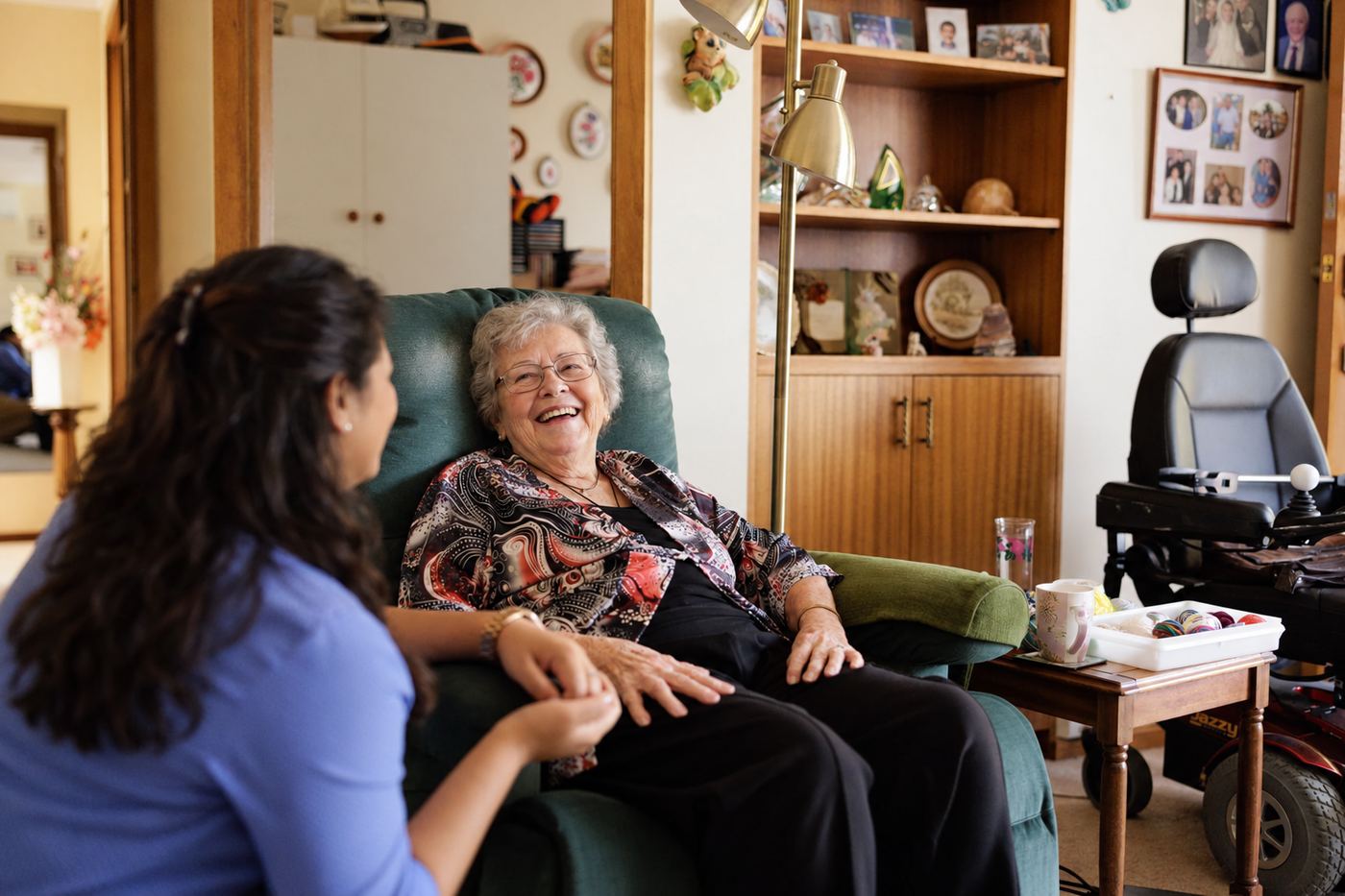
A resident laughing with a carer in her room, sitting in her armchair among her own pictures and things.
A short stay
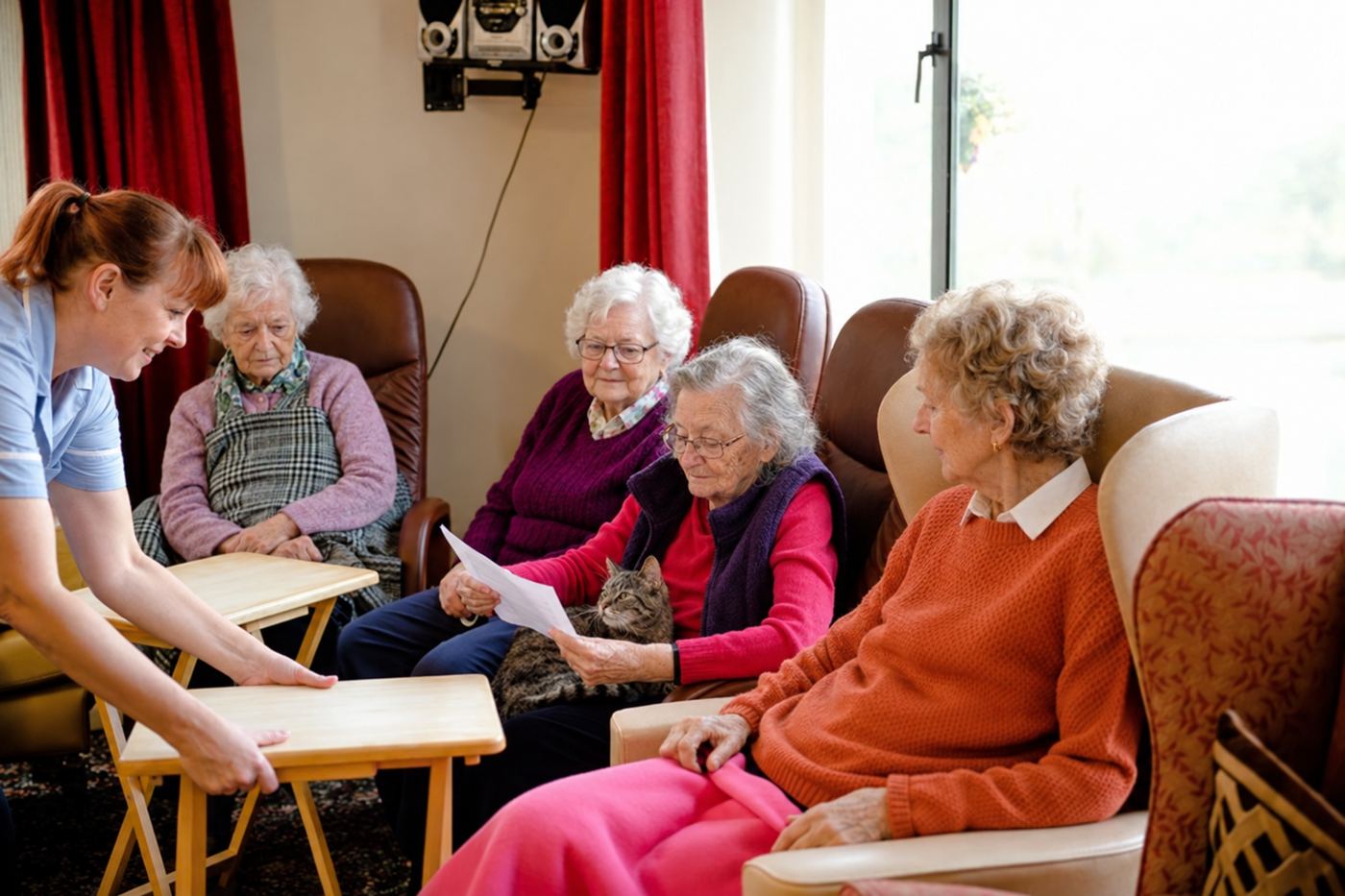
Residents reading in armchairs in a lounge while a carer sets out a table.
Day care

Who it suits

A short stay

Someone who needs full support for a while: a family carer taking a planned break, a period of recovery after illness or hospital, or a trial before any longer-term decision.

Day care

Someone who continues to live at home but would benefit from company, support and a change of setting during the day, and a carer who needs regular time to themselves.

How long

A short stay

Tell us the dates you need. The length of a stay depends on availability and whether we can meet the person’s needs.

Day care

One day or several, agreed in advance and subject to availability.

What is included

A short stay

A room of their own, meals, personal care and support with medicines, and the same day-to-day life as anyone living here.

Day care

Meals during the day, company and support, and time in the lounge, the gardens or the park. Tell us about any personal care needed during the day.

How it begins

A short stay

A conversation, then a short assessment so we can plan the care before the stay begins.

Day care

A conversation and a visit together. Some people start with a single day.

If someone’s needs change.

Care needs change over time, sometimes quickly. This is what to discuss with us if they do.

Share what you have noticed

You may notice a change before anyone else. Tell us what you have seen; the people supporting the person can share what they have noticed too.

Review the support together

The person, their family and the relevant health professionals can all be part of a review. Ask what support can change and how decisions will be shared.

Be clear about the home’s limits

Higher Park Lodge provides residential care, not nursing care. If the person’s needs go beyond what the home can provide, we will discuss that with you and the professionals involved.

Ask us what the home can meet now, and how we would handle a change later.

Straight answers to common questions.

Yes. Call 01752 606066 and we will arrange a time to show you around, answer questions and discuss the person’s needs. You will not be expected to make a decision during the visit.

Yes. Speak to us about visiting so we can help you plan a suitable time.

Please ask us about visits from pets. We’ll talk it through with you and let you know what we can arrange.

We discuss changes with the person and those involved in their care, review the support in place and explain any next steps clearly.

Call us or use our contact page. We will ask a few questions about the person’s current situation, explain the relevant options and arrange a visit if you would like one.

Higher Park Lodge provides residential rather than nursing care. Ask us how the home works with GPs, district nurses and pharmacies, and what support is available with medicines.

Health conditions, medicines, mobility, how the person likes their day to go, what helps when they are anxious, dietary needs, and who to contact. We will ask. You do not need to prepare a document.

A short stay may be possible if a room is available and we can meet the person’s needs. Ask us about dates and what a stay would involve.

Tell us about the person’s wishes and any care plans already in place. We can discuss comfort, the involvement of GPs and district nurses, and how family and friends would like to be involved.

Not answered here? Call 01752 606066 and tell us what is happening. We will explain what applies.

Come and talk about the care they need.

Bring the person who may come to stay, if they would like to visit, or someone close to them. We will show you around and make time for your questions.